


Key Takeaways:
- Building a Shopify store is straightforward, allowing you to customize your online presence without needing extensive technical skills.
- Shopify offers a variety of themes and tools to help you create a unique shopping experience for your customers.
- Understanding payment providers and shipping options is crucial for a successful e-commerce venture.
Creating a Shopify store can feel like embarking on a thrilling adventure. With the right tools and guidance, you can transform your vision into a fully functional online store. Whether you're a budding entrepreneur or an established business looking to expand your reach, Shopify provides a user-friendly platform that caters to all your e-commerce needs. This guide will walk you through the essential steps to create your Shopify store, ensuring you have all the information you need to start selling.

How We Choose
Our team has spent hours researching thousands of user reviews, review volume and star ratings for the best products on the market. We take into account factors such as quality, performance, sustainability, affordability, and the reputation of the brand when recommending products to our readers. Additionally, we consider the reputation of the seller and seller reviews to ensure a trustworthy transaction process and a positive purchase experience. We strive to find the best options that meet everyone’s needs—even those on a budget!
We hope you find your next special item below! This product was independently selected by our editors. Good Guru Reviews may collect a share of sales or other compensation from the links on this page if you decide to buy something (at no additional cost to you—that’s how we stay in business). To view more details or make a purchase, simply click the product links below. Enjoy finding your next special item with us!
Disclaimer: The information presented, including general product details and dietary supplements labeling or claims, is for reference only. Always consult original product labels, warnings, and professional advice before making a purchase or using any product. Be sure to review the claims on the product pack, and if you have specific questions or wish to verify product information, contact the manufacturer using the contact details provided on the packaging.

Understanding Shopify: The Basics
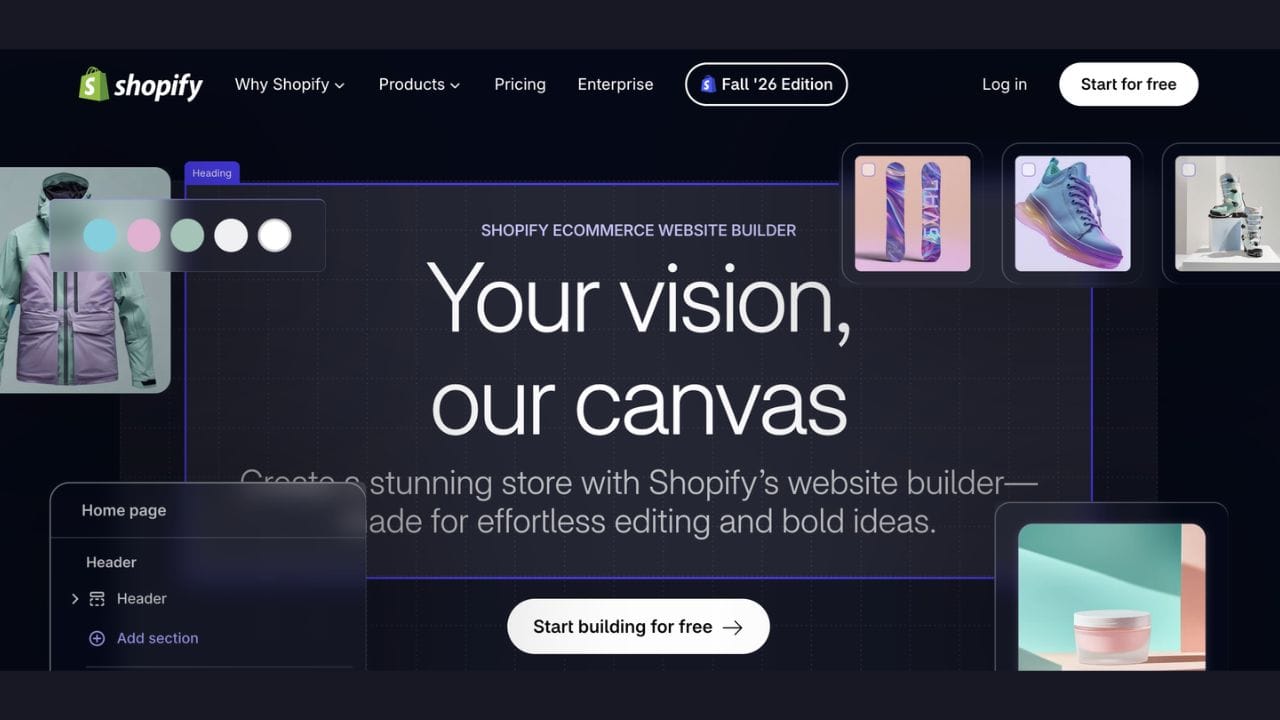
Shopify is an e-commerce platform that allows you to create an online store with ease, and it’s used by over 800,000 vendors for their online stores. It’s like having a digital storefront where you can showcase your products and services. The beauty of Shopify lies in its simplicity; you don’t need to be a tech wizard to set up your store. With a variety of templates and customization options, you can create a store that reflects your brand's identity.
When you ask, "how do I create a Shopify store?" the answer begins with understanding the platform's features, including built-in ai that helps launch, manage, and scale a business. Shopify offers a drag-and-drop builder, making it easy to design your store without any coding knowledge. You can add product descriptions, images, and even videos to enhance your customers' shopping experience. This platform is designed to help you sell effectively, whether you’re offering physical products, digital downloads, or services. Shopify also has a 99.9% uptime rate globally, which is a strong reliability advantage.
Setting Up Your Shopify Account
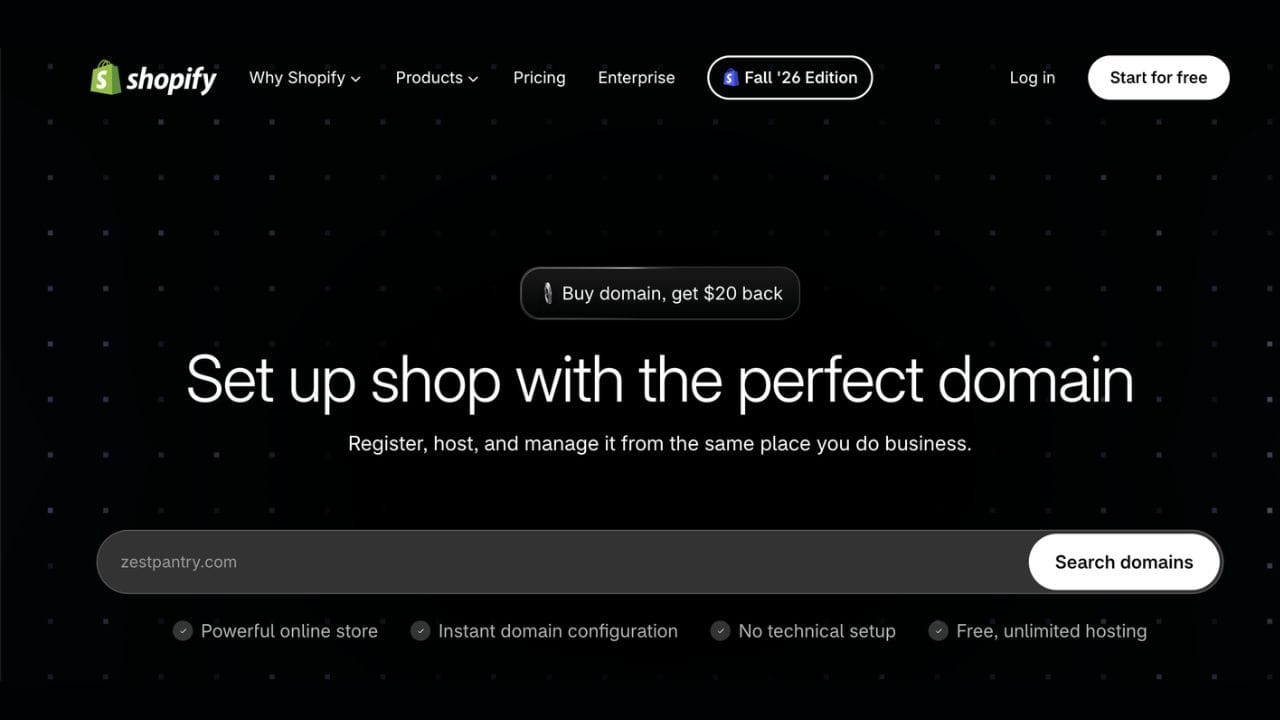
The first step in your journey is to create a Shopify account. Head over to the Shopify website home page and click on the “Start free trial” button. You’ll be prompted to enter your email address, create a password, and choose a store name. This name will be your brand's identity, so choose wisely, but remember it’s separate from your domain. Once you’ve filled in the details, click “Create your store,” and you’ll be taken to your Shopify dashboard. The default myshopify.com address stays the same, but you can purchase a custom domain through Shopify to make your site look more professional and build consumer trust.
After setting up your account, you’ll need to complete the setup form with some basic information about your business. This includes your address, which is essential for tax purposes and shipping calculations. Don’t worry if you’re still in the brainstorming phase; you can always update this information later. The goal here is to get your store up and running as quickly as possible. Note: you can come back and adjust these setup details later.

Choosing the Right Shopify Plan
Shopify offers several pricing plans, each tailored to different business needs. The basic plan is a great starting point for new entrepreneurs, providing essential features at a cost-effective price. As your business grows, you can upgrade to more advanced plans that offer additional features like professional reports and advanced shipping options.
When deciding on a plan, consider your budget and the features you need. If you’re just starting, the basic plan will suffice. However, if you anticipate high sales volume or require advanced features, it might be worth investing in a higher-tier plan from the get-go. Remember, the right plan can significantly impact your store's success, and basic setup usually doesn’t require hiring a Shopify expert or spending extra money.
Selecting a Theme for Your Store
Your store's design plays a crucial role in attracting and retaining customers. Shopify offers a wide range of free and paid themes that you can customize to fit your brand. When selecting a theme, consider your target audience, the type of products you’re selling, and mobile usability, since over 70% of ecommerce traffic happens on mobile devices. A clean, professional design can enhance user experience and encourage purchases.
Once you’ve chosen a theme, you can customize it to create a unique look for your store. This includes adjusting colors, fonts, and layouts to match your brand's identity. A well-designed store not only looks appealing but also helps customers navigate easily, making their shopping experience enjoyable, much like an organized physical shop encourages people to stay and browse.

Customizing Your Store Design for Your Shopify Store
Customization doesn’t stop at choosing a theme. Shopify allows you to create custom pages, add a drop-down menu, and organize your products effectively. This flexibility means you can tailor your store to meet your specific needs. For instance, if you sell multiple product categories, a well-structured menu will help customers find what they’re looking for quickly, and you should add a link for each page you want visible in navigation. Aim to keep navigation simple so shoppers can reach products within three clicks.
Consider adding custom pages for your store policies, such as shipping and return policies, and draft and publish required pages like Privacy Policy and Terms of Service. These pages build trust with your customers and provide essential information that can influence their purchasing decisions. You can also place permanent details about your organization on a dedicated page linked from the menu. A well-organized store design can significantly enhance user experience and increase conversion rates.
Adding Products to Your Store
Now that your store design is in place, it’s time to add products. Adding products can take time during setup, especially if you have a larger catalog. Click on the “Products” tab in your Shopify dashboard and select “Add product.” The product form collects details like the title, price, media, and other listing information. Here, you can enter product details, including titles, descriptions, prices, and images. High-quality product images are essential; they can make or break a sale. Consider using multiple images to showcase your products from different angles. Compress high-resolution images before uploading to improve site speed.
When writing product descriptions, be clear and concise. Focus on benefit-driven copy that addresses customer pain points, and include keywords that customers might use when searching for similar items. This not only helps with search engine results but also provides valuable information to potential buyers. Remember, the goal is to create a compelling narrative that encourages customers to make a purchase. To support SEO, also complete meta titles, meta descriptions, and image alt text so your products can appear in search engines.

Setting Up Payment Providers
To start selling, you need to set up payment providers. Shopify supports various payment gateways, including Shopify Payments, PayPal, and Stripe. Shopify’s checkout converts about 15% better than other platforms. Each option has its advantages, so choose the one that best fits your business model. Shopify Payments is a popular choice as it integrates seamlessly with your store and offers competitive transaction fees.
When setting up payment options, ensure that you provide a secure checkout experience for your customers, since they often judge trust across the entire store through that final step. This builds trust and encourages repeat purchases. Additionally, consider offering multiple payment methods to cater to different customer preferences. The more options you provide, the easier it will be for customers to complete their purchases.
Configuring Shipping Options
Shipping is a critical aspect of e-commerce that can impact your bottom line. Shopify allows you to configure shipping rates based on weight, price, or location. You can also offer free shipping, which is a great incentive for customers. Consider your target market and shipping costs when setting up your shipping options.
Don’t forget to include shipping policies on your store. Clear communication about shipping times and costs can help manage customer expectations and reduce cart abandonment. A well-thought-out shipping strategy can enhance customer satisfaction and encourage repeat business.

Launching Your Store
Once you’ve added products, set up payment providers, and configured shipping options, it’s time to launch your store! Before going live, take a moment to test your store thoroughly. Place a test order to ensure that everything works smoothly, from product selection to checkout. This step is crucial to identify any potential issues that could hinder the customer experience.
After testing, it’s time to make your store public. Shopify makes this process easy; simply remove the password protection from your store settings. Once your store is live, you can start promoting it to attract customers. Utilize social media, email marketing, and other channels to spread the word about your new online store.
Marketing Your Shopify Store
Marketing is the lifeblood of any e-commerce business. Once your store is live, you need to drive traffic to it. Consider using social media platforms like Instagram and Facebook to showcase your products and engage with potential customers; Facebook ads can pay off when you target people who already like similar stuff. Creating compelling content, such as videos and blog posts, can also help attract visitors to your store.
Search engine optimization (SEO) is another critical aspect of marketing your Shopify store. Optimize your product descriptions, titles, and images with relevant keywords to improve your search engine rankings and your store’s overall site visibility. This will help customers find your store when searching for products online. The more visibility you have, the more likely you are to make sales.
Utilizing Analytics for Growth
Once your store is up and running, it’s essential to monitor its performance. Shopify provides built-in analytics tools that allow you to track sales, customer behavior, and traffic sources. By analyzing this data, you can identify trends and make informed decisions to improve your store's performance.
For example, if you notice that a particular product is selling well, consider promoting it further or creating similar products. Conversely, if certain items aren’t performing, you may want to reevaluate your marketing strategy or product offerings. Using analytics effectively can help you optimize your store for maximum profitability.
Engaging with Your Customers
Building a successful online store isn’t just about selling products; it’s also about creating relationships with your customers. Engage with your audience through social media, email newsletters, and customer feedback. Responding to inquiries and addressing concerns promptly can foster loyalty and encourage repeat purchases.
Consider implementing a loyalty program or offering discounts to returning customers. These strategies can incentivize customers to choose your store over competitors. Remember, happy customers are more likely to spread the word about your brand, leading to organic growth.
Exploring Shopify Apps
Shopify’s App Store is a treasure trove of tools that can enhance your store's functionality. From marketing automation to inventory management, there’s an app for almost every need. Explore the available apps to find solutions that can streamline your operations and improve customer experience.
For instance, consider using apps that help with email marketing, social media integration, or customer reviews. These tools can save you time and effort while providing valuable insights into your store's performance. The right apps can significantly enhance your store's capabilities and drive growth.
Staying Updated with E-commerce Trends
The e-commerce landscape is constantly changing, and staying informed about the latest trends is crucial for success. Follow industry blogs, attend webinars, and participate in online forums to keep your finger on the pulse of e-commerce. Understanding emerging trends can help you adapt your strategies and stay ahead of the competition.
For example, if you notice a growing interest in sustainable products, consider incorporating eco-friendly items into your inventory. Being proactive and responsive to market changes can position your store for long-term success.
Building Your Brand Identity
Your brand identity is what sets you apart from competitors. Take the time to define your brand’s mission, values, and personality. This will guide your marketing efforts and help you connect with your target audience on a deeper level.
Consider creating a brand style guide that outlines your logo, color palette, and tone of voice. Consistency in branding across all platforms will help build recognition and trust with your customers. A strong brand identity can lead to increased customer loyalty and higher sales.
Leveraging Social Proof
Social proof is a powerful tool in e-commerce. Positive reviews and testimonials can significantly influence potential customers' purchasing decisions. Encourage satisfied customers to leave reviews on your product pages and share their experiences on social media.
Consider showcasing customer testimonials on your homepage or product pages. This not only builds trust but also provides potential buyers with the confidence they need to make a purchase. The more social proof you have, the more likely customers are to choose your store.

Exploring International Markets
As your Shopify store grows, consider expanding into international markets. Shopify makes it easy to sell globally by allowing you to set up multiple currencies and languages. Research potential markets to identify opportunities for growth and tailor your marketing strategies accordingly.
When entering new markets, be mindful of cultural differences and local regulations. Adapting your approach to fit the preferences of international customers can lead to increased sales and brand recognition. The world is your oyster, and expanding your reach can open up new avenues for success.
Summary
Creating a Shopify store is an exciting journey that can lead to significant business growth. By following the steps outlined in this guide, you can build a successful online store that attracts customers and drives sales. From setting up your account to marketing your products, each step is crucial in establishing a thriving e-commerce business. Remember to stay engaged with your customers, leverage analytics, and adapt to market trends to ensure long-term success.
FAQ
1. How much does it cost to create a Shopify store?
The cost of creating a Shopify store varies depending on the plan you choose. The basic plan starts at $29 per month, which includes essential features for new businesses. As your store grows, you may want to upgrade to a higher-tier plan for additional features.
2. Can I customize my Shopify store without coding?
Yes! Shopify offers a user-friendly drag-and-drop builder that allows you to customize your store without any coding knowledge. You can easily change layouts, colors, and fonts to create a unique shopping experience.
3. How can I drive traffic to my Shopify store?
To drive traffic to your Shopify store, consider utilizing social media marketing, search engine optimization (SEO), and email marketing. Engaging with your audience and creating valuable content can also help attract visitors to your store.


